




Retargeting: Great for Advertisers but a Threat to User Privacy

Are you being chased around the Internet by a mobile phone? Or by any other product that you searched for on your favorite e-commerce platform?
This is an issue that many of us have perhaps faced recently while surfing the Internet. What we’re speaking about here is commonly known as ‘Retargeting’ and it is an increasingly common method for digital marketers to display their ads to potential customers.
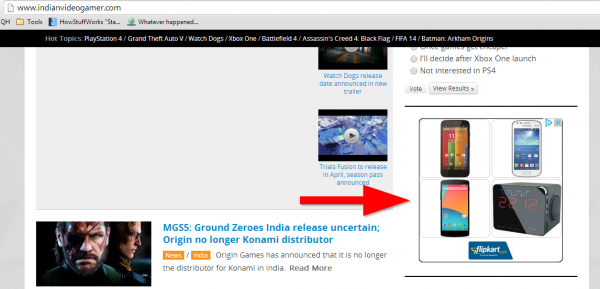
Marketers are constantly coming up with new methods to increase the display frequency and viewership of their digital ads, and Retargeting is one such method.
But there are some underlying privacy concerns here that regulators and end users should be aware about. Whether this is an objectionable issue for you or not is up to you, as this is a highly subjective matter.
What is Retargeting?
Firstly, we need to understand what Retargeting really is. It’s a digital advertising strategy that focuses on visitors who visit a website but leave without buying anything. For most websites, this percentage of visitors is pretty high.
These visitors are shown ads of that particular website, or maybe even of the specific products that they searched for, all over the Internet no matter where they go. In effect, this is like virtual stalking.
How Does Retargeting Work?
How this works is pretty simple. Retargeting tags website visitors with an identifier, usually a browser cookie or an email pixel. After this, that visitor is shown ads (for the website or a specifically searched product) all over the Internet with the help of that identifier. This reminds them of the company’s existence and gives them the apparent push they need to make a purchase.
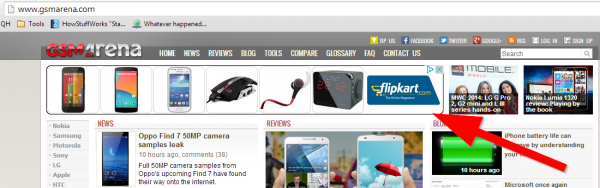
An Example of Retargeting
Let’s take the example here of Flipkart, a popular Indian online shopping portal. If I were to visit the site and search for a mobile phone, then pretty soon I would start seeing ads of that mobile phone on several websites that I visit for the next few days.
From the seller’s point of view, Retargeting reminds me of the item I saw and it might push me to purchase it. However, if I have no interest in buying the item, Retargeting merely annoys me and creeps me out. Because it feels like the phone and the website are following me around everywhere.
DISCLAIMER – This is not an illegal practice. And we are not berating Flipkart for the same. Other portals also adopt this practice and we are simply citing an example that a lot of people can relate to.

So What is the Privacy Concern?
As mentioned before, this is a subjective matter. Some people may find Retargeting useful as they only see ads that are relevant to them. But many others do find this unsettling as it feels like they are being stalked by the website. The risk that all the data about an individual’s browsing behavior, identity and other confidential information is being stored in a systematic manner and can be misused, leaked or stolen always exists.
Some other issues that come into play are –
- If someone else uses my machine, they can see the items I have searched for. For instance, if I am planning a surprise holiday for my spouse, Retargeting can ruin that for me.
- If overdone, Retargeting gives the brand a negative image. It’s like you walk into a shop and try on a jacket. When you leave without buying it, the salesman runs behind you with the jacket in his hand and keeps showing it to you as you visit other stores.
- Often, Retargeting shows ads for products even after they have been purchased.

With so much public scrutiny and suspiciousness already surrounding ad privacy and third-party cookies and digital spying, methods like Retargeting add fuel to the fire and make people wary. Advertisers should simply accept that not all visitors will actually buy something from their websites.
This also reminds us that there is a commercial surveillance mechanism in place. This mechanism is huge in scope and violates several privacy and liberty issues.
Internet cookies have been used for digital strategizing for a long time in order to customize content for users, especially when they revisit a website or remain logged in. However, Retargeting feels notably different and much more sinister.
We would like to hear what you have to say. Do you feel Retargeting and commercial stalking of this manner is useful or unjustified? Take a few seconds to let us know.
polls