
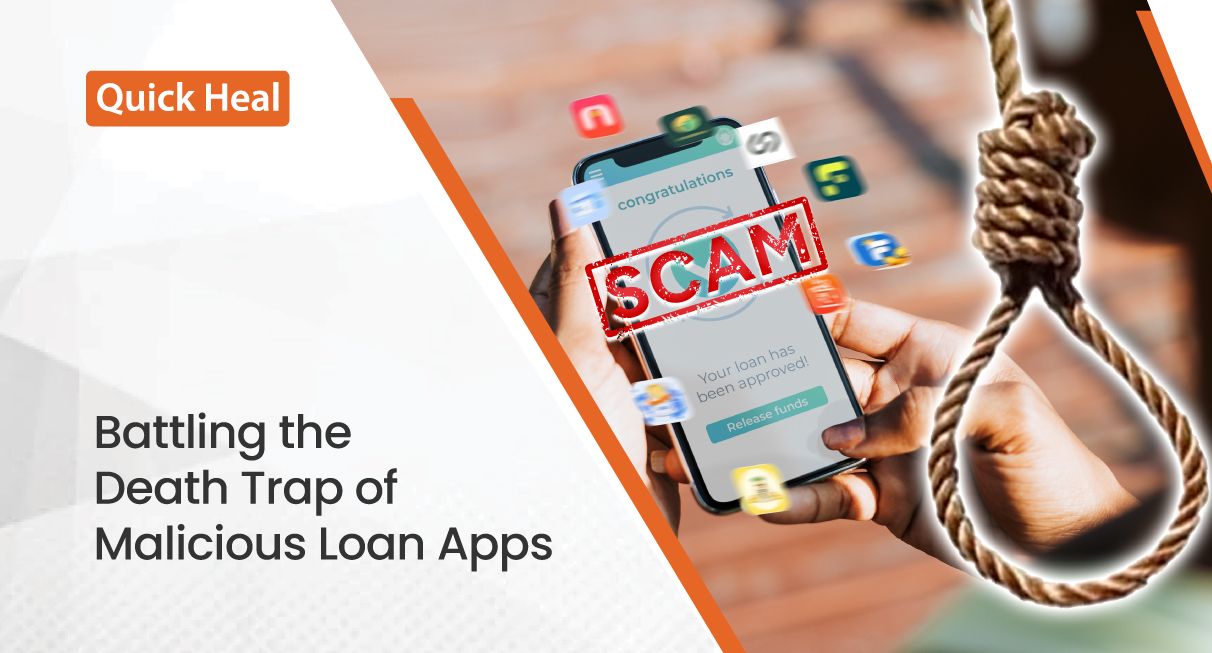
Battling the Death Trap of Malicious Loan Apps

In the age of instant finance at our fingertips, loan apps have reshaped how we access funds. But beneath the convenience lies a concerning trend – malicious apps that are being linked to tragic outcomes. In this blog, we will shed light on the alarming rise of these ‘death-traps,’ unravel the mechanics of these apps, […]

DarkRace Ransomware: A Deep Dive into its Techniques and Impact

As cyber threats continue to evolve, a new ransomware has been discovered bearing unmistakable similarities to another well-known ransomware variant, Lockbit. It is noteworthy to point out that Lockbit’s source code was leaked around a year ago, making it possible for other threat actors to potentially develop new variants based on this. Therefore, the discovery […]

White Snake Menace: The Growing Threat of Information Stealers in the Cybercrime Landscape

Introduction The rise of malicious software designed to steal sensitive information has become a significant problem in the cybercrime landscape. They are specifically created to infiltrate computer systems and extract valuable data, including personal information, login credentials, financial details, and intellectual property. Known as information stealers or data stealers, these malware programs pose a prevalent […]

BEWARE: Fake Applications are Disguised as Legitimate Ones

In the world of cybercrime, the tactics used by threat actors are constantly evolving, but upon close analysis of multiple instances, the modus operandi remains the same –  i.e. exploitation of current events, trending news, government websites, and even legitimate applications of trusted organizations to dupe unsuspecting users. By using the names and logos of […]

THE PERILS OF RANSOMWARE : How to Save yourself from the next attack

In recent years, ransomware attacks have increased in frequency and sophistication, resulting in substantial impact across numerous industries and sectors worldwide. A typical ransomware attack encrypts computer systems, and blocks access to the user’s or company’s own data, and a ransom is demanded as payment in exchange of its release. In this blog, we will […]

What is Cryptojacking? | Detection and Ways of Preventions - Quick heal

Cryptojacking on the Rise

There has been a steep rise in Cryptojacking attacks by cybercriminal groups to infiltrate networks and stealthily mine for coins. With a visible annual increase by 37%, Quick Heal has detected 14.3 Million cases of these attacks through 2022. Large-scale cryptojacking is fast emerging as a popular trend in the Cybercrime scenario. Let us explore […]

AsyncRAT

AsyncRAT Analysis with ChatGPT

  As cyber threats continue to evolve and become more sophisticated, it’s crucial for security researchers and professionals to stay ahead of the curve. In this post, ⦁ We will explore how ChatGPT can assist in the analysis of malware, specifically the Remote Access Trojan (RAT) known as AsyncRAT and, ⦁ We will also delve […]

QBOT – A HTML Smuggling technique to target victims

QBot, also known as Qakbot, QuackBot, and Pinkslipbot, is a Banking Trojan that was first observed in 2007. Today, Qbot is still a vicious and persistent threat to organizations and has become one of the leading Banking Trojans globally. Over the years, it has changed its initial techniques to deliver payloads like using VBA macros, […]

Beware: SOVA Android Banking Trojan emerges more powerful with new capabilities

  SOVA is an Android banking Trojan with significant capabilities like credential theft, capturing keystrokes, taking screenshots, etc., that can inflict acute harm to the devices that become victims of this malware. This malware has been on sale in the underground market since last year & is suspected of having been bought by some bad […]

Phishing attack

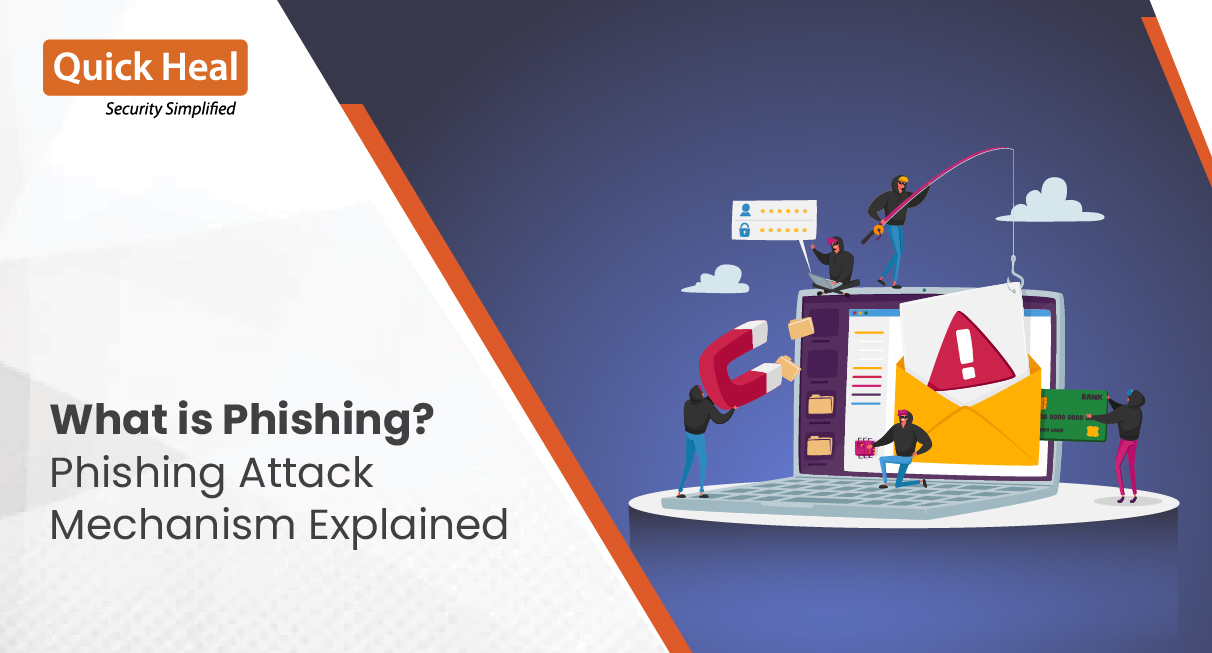
What is Phishing? A Deep Dive into the Phishing Attack Mechanisms with Tips

Phishing is a technique used to steal credentials, personal information & financial details of a user. The attacker sends email or text to spoof the target, luring them to open malicious links or attachments. The most prevalent ways attackers attempt phishing attack are through social networking sites, SMS, and email notifications. We see a sudden […]

  • 1
  • 2